Five ways for streetwear brands to succeed in a growing market.
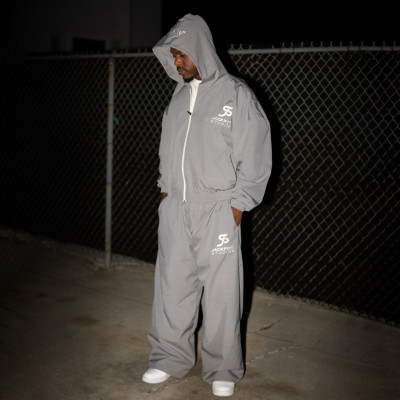
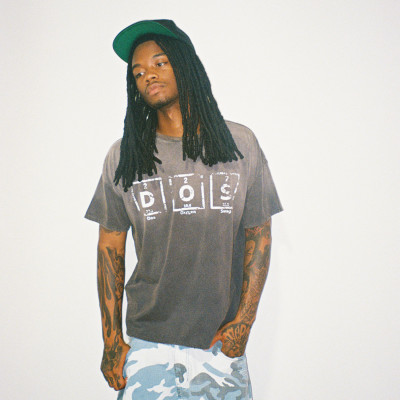
Streetwear is one of the most notable retail and fashion trends to emerge in recent years, encompassing the production, promotion, sales, and resale of casual fashion that bypasses traditional retail channels.
Customers often gather through social media to snag items that are only available in brand stores or online. The anticipation of limited-time sales helps build a close, almost fanatical, relationship between streetwear brands and their consumers.
This has allowed streetwear—a high-profile fashion phenomenon inspired by the counterculture of the 1980s and 90s—to develop into a multi-billion dollar retail market. We estimate the global streetwear market to be worth $185 billion, representing approximately 10% of the global apparel and footwear market.
Whether looking at retail culture or related data, streetwear has attracted the attention of some of the most iconic and well-known brands in the retail and luxury industries, as well as the fashion world as a whole. Players in the streetwear market come from all sectors of the fashion industry. There are pure streetwear brands, as well as sportswear brands expanding their traditional sportswear lines into growing streetwear lines, including cool and stylish sneakers and… hoodies, in a conceptual sense, are also being pursued by luxury brands vying for a significant share of the streetwear market.
This is mainly because it has tapped into a completely new young consumer group. The audience for streetwear is very young: most are under 25.
The second reason why established brands are interested in streetwear is that it's revolutionizing how fashion trends are disseminated. The fashion industry typically operates on a top-down model, with industry insiders controlling the dissemination of the latest styles and trends. Streetwear breaks this model. Consumers, like industry insiders, have the power to determine the direction of trends. Uniqueness and appeal don't stem from high prices, but from scarcity and industry recognition. In short, streetwear redefines how "cool" can be profitable.
Third, the democratic way streetwear enthusiasts buy clothes is increasingly being accepted by all consumers, and the opinions of their peers are having a growing influence on their decisions.
Therefore, it's not surprising that fashion brands have been embracing streetwear trends in recent years. Among the most notable examples are Louis Vuitton's collaboration with top streetwear brand Supreme, and the luxury giant's decision last year to appoint streetwear founder Virgil Abloh as artistic director of Louis Vuitton menswear.
Two recent surveys aimed to illustrate how fashion brands can achieve maximum success in streetwear sales: one surveyed over 40,000 consumers globally, and the other surveyed approximately 700 industry professionals. The results showed:
- Streetwear consumers are young: over 60% of respondents were under 25 years old.
- They are not all wealthy: approximately 70% of respondents reported an annual income of $40,000 or less.
But they have enough money to buy their favorite brands: 56% of respondents said they spend an average of $100 to $300 per item. Asian consumers spend even more, with 32% of Japanese respondents saying they spend an average of $500 or more per item.
- They engage directly with brands both online and offline: 53% are most likely to purchase streetwear from the brand's own stores; 42% buy from its website.
- Social media is their biggest source of influence (84%), followed by other young urbanites they see around them.
Successful brands are closely linked to the culture on which streetwear thrives: in our survey, musicians had the highest level of credibility among consumers (65%), far exceeding social media influencers (32%).
Young streetwear enthusiasts consider themselves socially conscious, and this trend is spreading to all consumers: 70% said social awareness and brand activism are important to them, compared to only 29% of participants in the PwC Global Consumer & Information System (PwC GCIS) survey who said they would buy products from brands that promote sustainable practices.
Despite the global economic slowdown and a bleak outlook for the retail industry, evidence suggests that the streetwear market's growth prospects remain strong. Among industry respondents in our survey, a remarkable 76% expect the market to continue its significant growth over the next five years.
Therefore, we explore how brands can operate and succeed in the streetwear market. Success requires keeping the following five elements in mind: authenticity; scarcity; democracy; and reasonable pricing.