How do seasonal trends affect the production and manufacturing of men's streetwear?
Seasonal trends are never just simple fashion indicators; they are the core guiding force in the production and manufacturing of men's streetwear. From fabric sourcing and pattern design to production capacity planning and supply chain scheduling, every link is dynamically adjusted in accordance with seasonal trends, directly determining a brand's market competitiveness and product suitability. Below, we will analyze the profound impact of seasonal trends on men's streetwear manufacturing from three aspects: trend transmission, production adaptation, and practical effects.
I. The core transmission of seasonal trends: from trend signals to production instructions
The seasonal trends in streetwear are often set 6-12 months in advance by international fashion weeks, street culture communities, collaborations with top designers, and social media buzz, and then quickly transmitted to the production end, forming a clear manufacturing direction.
Color Trends First: Spring/Summer focuses on light colors, highly saturated bright hues (such as mint green and electric blue), and washed-out distressed finishes; Autumn/Winter leans towards earth tones, deep charcoal black, caramel brown, and retro dark green. Fabric dyeing factories need to lock in color swatches in advance and purchase corresponding dyes in bulk to avoid supply shortages during peak season.
Fabric Demand Shifts: Spring/Summer emphasizes lightweight and breathable fabrics, using combed cotton, breathable fabrics, thin denim, and mesh, focusing on drape and wrinkle resistance; Autumn/Winter prioritizes warmth and thickness, favoring heavyweight fleece, polar fleece, thick denim, corduroy, and quilted fabrics, balancing windproofing and texture.
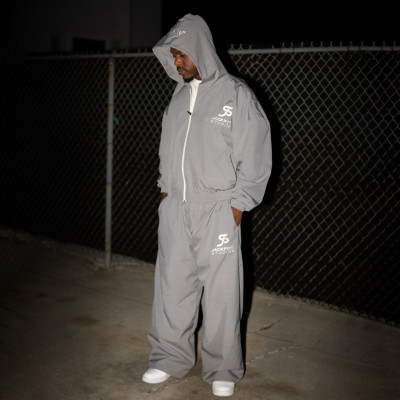
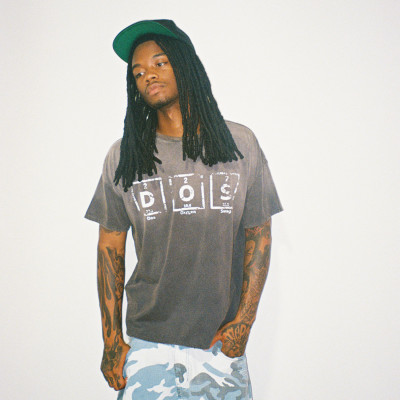
Style Cycle Shifts: Spring/Summer focuses on short-sleeved T-shirts, thin hoodies, cargo shorts, and loose-fitting wide-leg jeans; Autumn/Winter features fleece-lined sweatshirts, thick jackets, functional coats, jogger cargo pants, and turtleneck tops. Style iterations force factories to adjust production lines in advance to adapt to the cutting and sewing processes of different items.
II. Core Adaptation in Production and Manufacturing: Adjusting the Entire Supply Chain in Accordance with Seasonal Trends
When seasonal trends are translated into production, it's not just about changing a single aspect, but about a comprehensive adaptation of fabrics, patterns, production capacity, and costs. Every detail affects the final product's market performance.
1. Fabric Procurement: Stock up in advance to balance quality and cost.
Spring/summer fabric procurement focuses on "lightweight and cost-effectiveness," prioritizing affordable fabrics that are easy to dye and highly breathable to meet the needs of large-volume basic production. Autumn/winter fabrics focus on "warmth and high quality," with heavier and composite fabrics being more expensive to procure, requiring controlled purchase volumes to avoid inventory buildup. Meanwhile, for trending fabrics (such as retro corduroy and distressed denim), supplies should be secured 3-6 months in advance to prevent shortages and production delays during peak season.
2. Design: Fits the body perfectly for the season, balancing style and practicality.
Seasonal variations directly influence the details of the fit: Spring and summer styles tend to be looser and more streamlined, with slightly flared cuffs on short sleeves, moderately long T-shirts, and loose-fitting shorts to reduce stuffiness; Autumn and winter styles lean towards a more relaxed and forgiving fit, with sweatshirts featuring dropped shoulders, outerwear with added lining capacity, and trousers with tapered cuffs to accommodate layering needs. Meanwhile, the core of streetwear – a "genderless, relaxed feel" – remains consistent throughout the seasons, with only minor adjustments to details, balancing trendy style with everyday comfort.
3. Production capacity planning: staggered production schedules to match market launch timelines.
The peak season for streetwear is concentrated around the change of seasons (March-May for spring/summer styles, September-November for autumn/winter styles). Factories need to schedule production in advance to avoid peak periods: complete fabric procurement, pattern making, and small-batch trial production during the off-season (January-February, June-August); concentrate on large-scale production during the peak season to ensure that new products are available on the shelves on time before the change of seasons. Contingency capacity should be reserved for popular trendy styles to cope with sudden surges in market demand; niche trendy styles should be produced in small batches to reduce the risk of unsold stock.
4. Craftsmanship details: Adapt to seasonal scenarios to enhance product selling points.
Spring/Summer styles feature simplified craftsmanship, reducing unnecessary seams and offering thinner, unlined designs for enhanced breathability and lightness. Autumn/Winter styles incorporate more detailed craftsmanship, including fleece linings, windproof seams, reinforced pockets, and ribbed cuffs to improve warmth and durability. Meanwhile, popular seasonal trends (such as gradient prints for spring/summer and distressed brushed finishes for autumn/winter) require adjustments to printing and washing processes to accurately capture the desired trendy effect.
III. The Actual Impact of Trend Fluctuations: Opportunities and Challenges Coexist
The rapid iteration of seasonal trends brings both innovative opportunities to men's streetwear manufacturing and higher operational requirements.
- Opportunities: Brands that closely follow trends can quickly seize market share. Popular seasonal styles (such as retro workwear and American high-street style) easily become bestsellers, driving sales growth. Trend-driven innovation in fabrics and processes also promotes the upgrading of the manufacturing industry and enhances product added value.
- Challenges: Shorter trend cycles and faster trend changes require factories to respond quickly and frequently adjust production lines and processes, increasing production difficulty. Inaccurate trend forecasting can easily lead to inventory backlogs (such as unpopular colors and outdated styles), resulting in wasted costs. When popular fabrics and processes are in short supply, problems such as production delays and increased costs may occur.
IV. Summary
Seasonal trends are the core driving force behind men's streetwear manufacturing, permeating the entire process from initial planning to final production. Precise matching of fabrics, patterns, production capacity, and craftsmanship is crucial for brands to keep up with trends and establish themselves in the market. For manufacturers, it's essential to keenly capture seasonal trend signals while balancing trend popularity with production stability, finding the optimal solution between innovation and controllability to create high-quality products that both align with the season's tone and resonate with the core of street culture.