It’s Not Just About Cutting a Hole: The Art Behind Distressed Details in Streetwear
Why do some distressed hoodies look high-end, while others look like worn-out rags destined for the trash? It all comes down to the craftsmanship behind the "distressing" process.
Distressing isn't about actually wearing the garment out; it’s about using manual techniques to create the look of natural, time-worn aging. Done right, it exudes a sophisticated vintage vibe; done wrong, it just looks like cheap, tattered junk. This article explores several common distressing techniques used by streetwear brands.
1. Whiskering and "Monkey" (Hand Sanding): The Most Fundamental "Faux-Vintage" Techniques
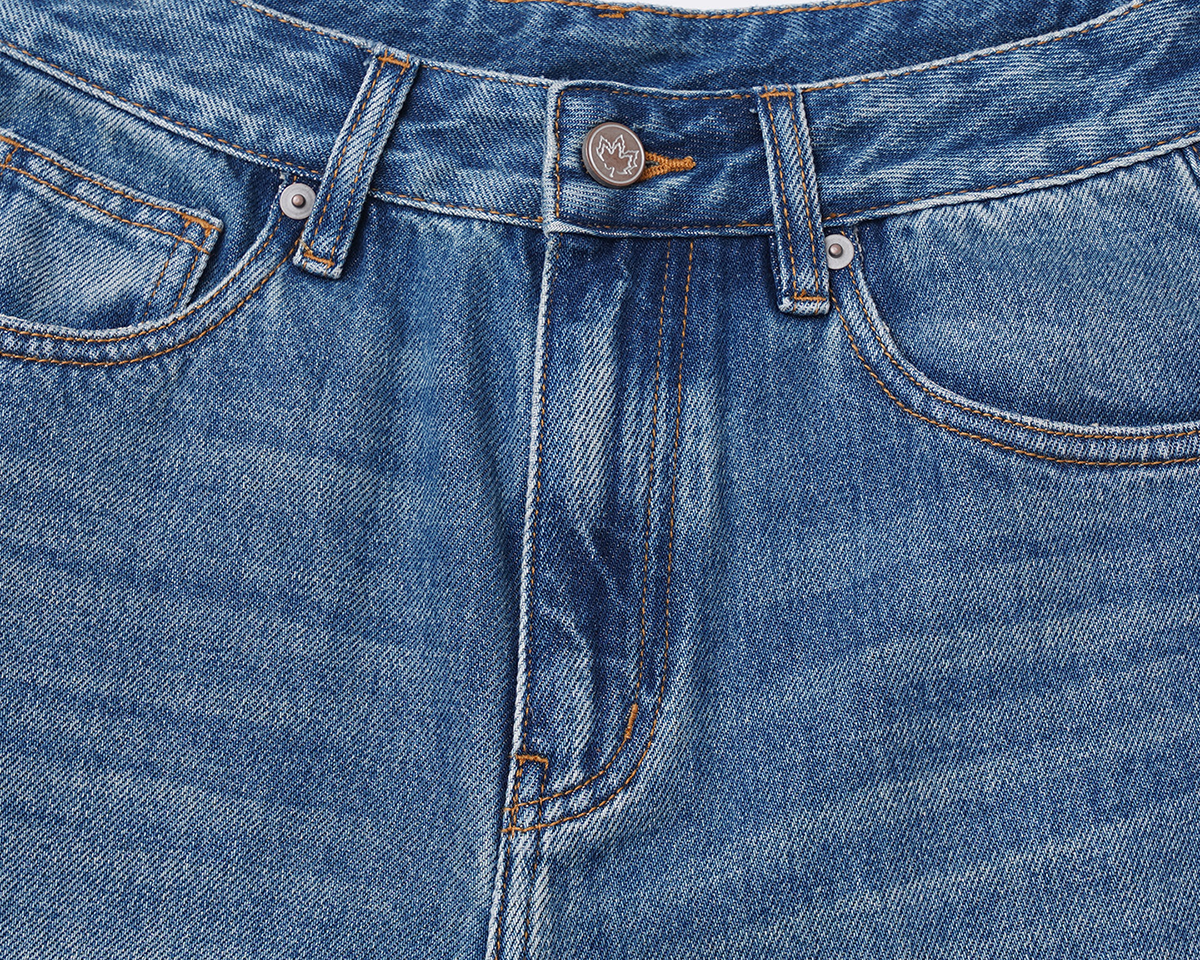
Whiskering: Sandpaper or grinding wheels are used to create fine, horizontal abraded lines—mimicking the natural creases that form after long-term wear—typically found on the thighs, elbows, and cuffs. While most common on denim, this technique is also frequently applied to sweatshirts and jackets.
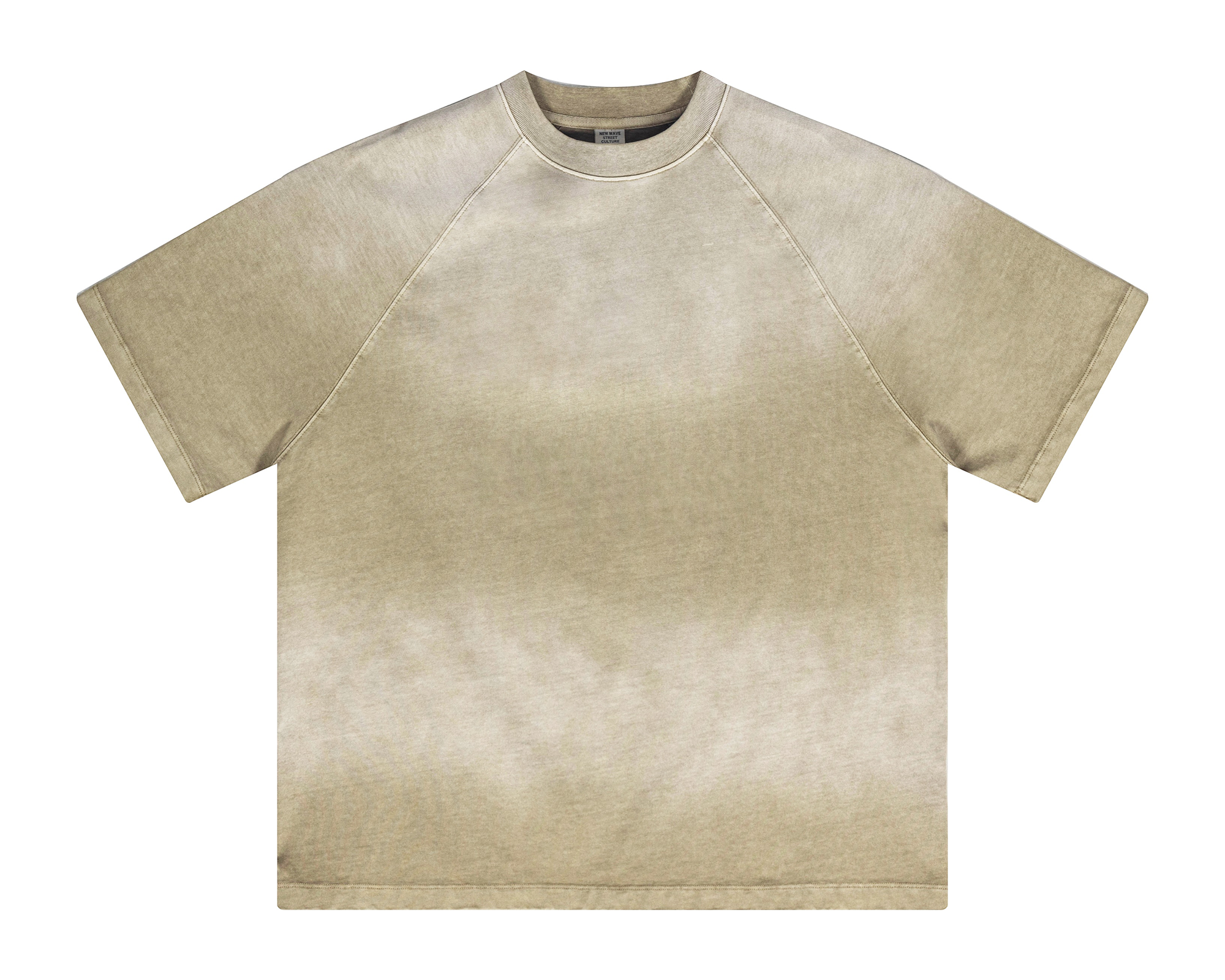
Hand Sanding (often referred to in the industry as "Monkey" or *maliu*): Manual spraying or sanding used to create localized fading or whitening effects. The cloud-like, distressed sweatshirt we recently produced is a variation of this "Monkey" technique—albeit applied over a larger area with a more diffused, blended look.
Key Details: The abrasion marks must look natural; they shouldn't appear as though the fabric was merely rubbed haphazardly with sandpaper. Precision regarding placement, depth, and direction is crucial—heavier abrasion at the joints and lighter abrasion elsewhere creates the authentic look of wear and tear.
2. Slashing and Distressing: The Source of the Streetwear Aesthetic
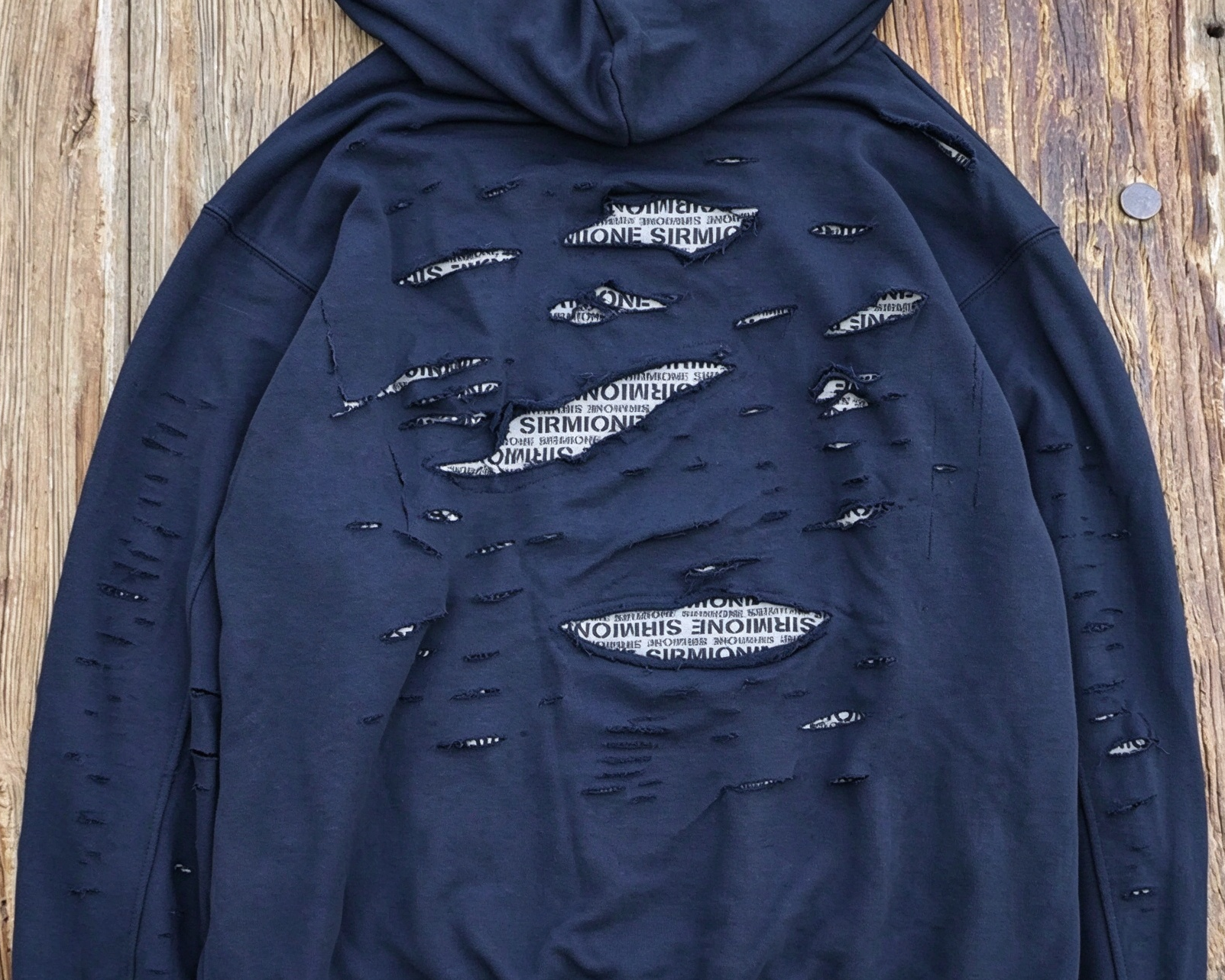
Slashing: Using a blade to cut slits into the fabric surface and fraying the edges. The classic approach involves making just two or three cuts; overdoing it makes the garment look like a beggar's outfit.
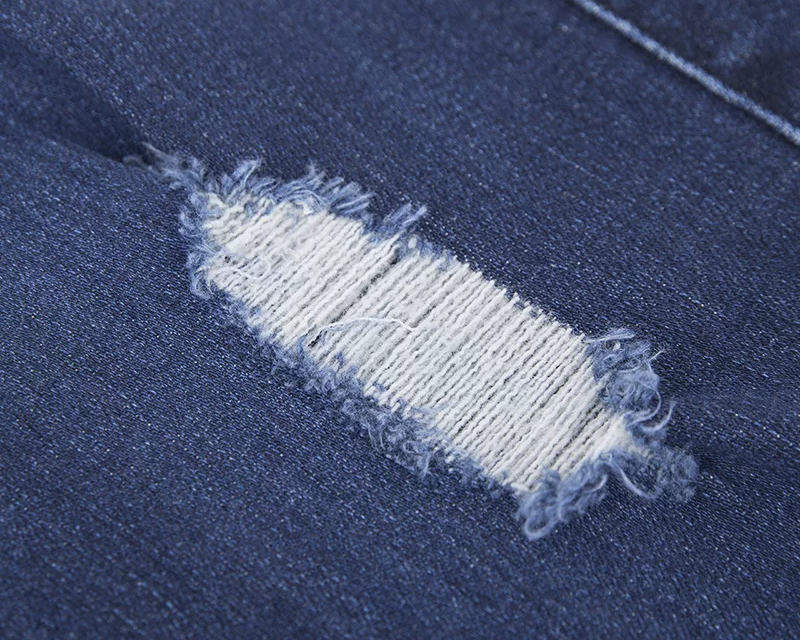
Abrasion: Using an electric grinding wheel to wear down the fabric at specific spots, revealing the underlying yarns or lining. The resulting holes should feature natural, frayed edges rather than clean cuts—perfectly neat holes look obviously artificial.
Why is this prone to failure? Because the distressing process is irreversible—once you’ve ground away too much fabric, there’s no fixing it. That’s why it is crucial to create and test samples first, confirming the placement and intensity of the distressing before proceeding to mass production.
3. Frayed and Unfinished Edges: A Subtle Detail for Cuffs and Hems
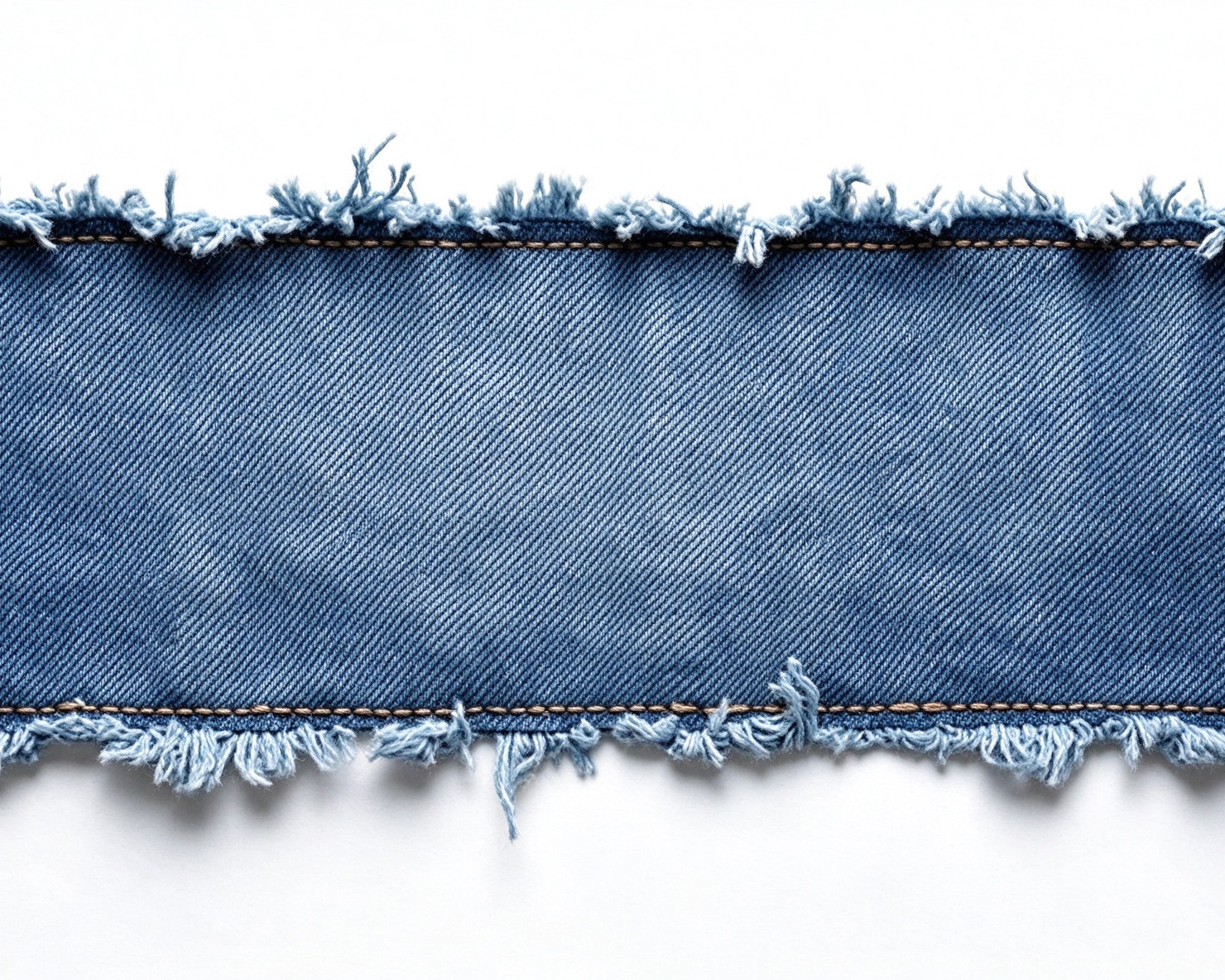
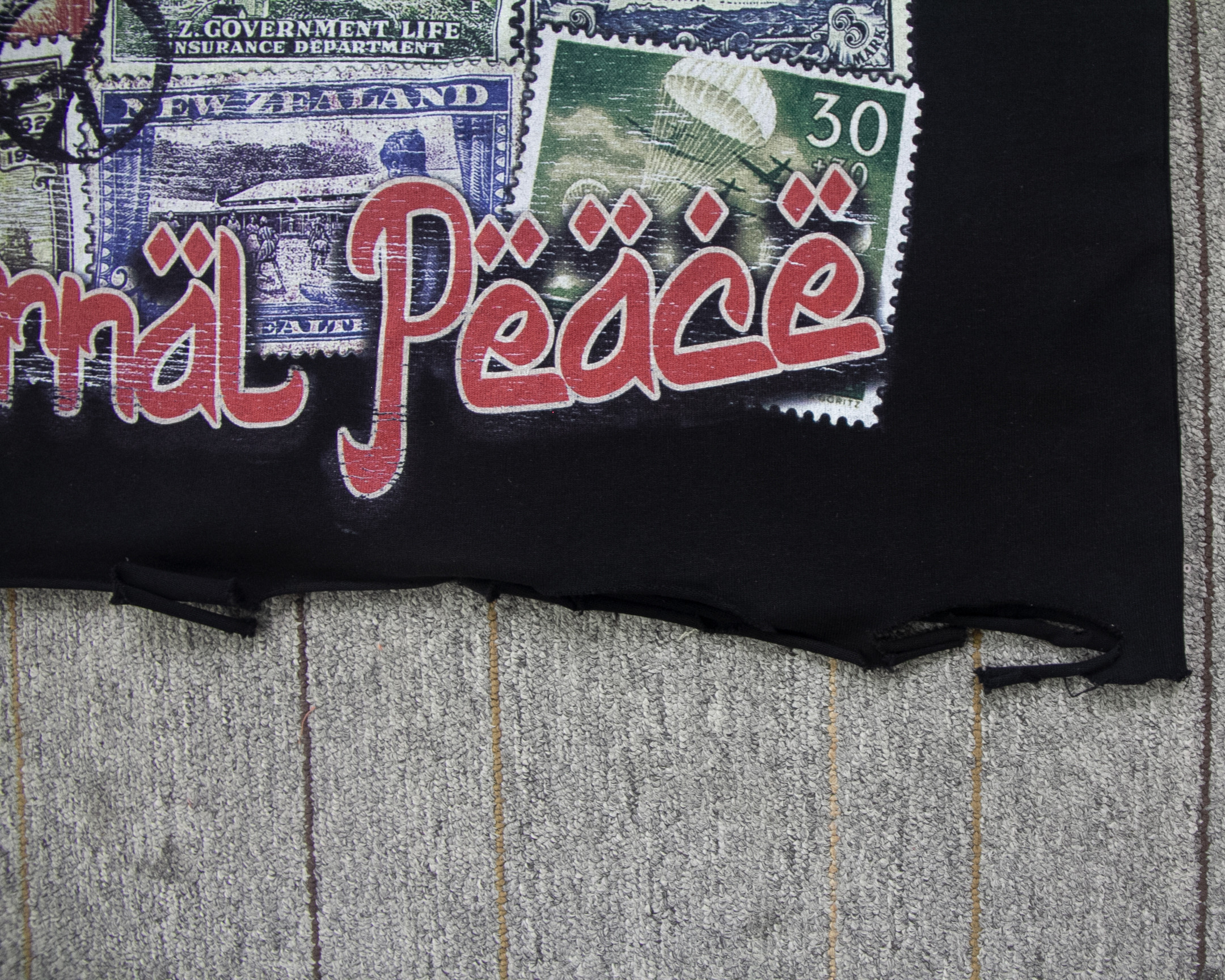
Frayed Edges: This involves removing the overlock stitching from cuffs, hems, or trouser bottoms to allow the fabric to fray naturally. After a few wears, the edges develop a tassel-like texture, gaining character over time.
Controlling the Fray: Longer isn't necessarily better—excessive length can lead to continuous unraveling. Experienced manufacturers often secure the area with hidden stitching, ensuring the fraying stops at a specific point.
4. The Ultimate Secret to Distressing: Imperfection
There is one core principle behind all distressing techniques: naturalness comes from irregularity.
- Colors shouldn't be uniform; there should be variations in shade and tone.
- Abrasion marks shouldn't be symmetrical; the left and right sides should differ slightly.
- Holes shouldn't be arranged too neatly; if they look like a deliberate pattern, they appear fake.
This is also why hand-distressing is more expensive than machine-distressing—the goal of hand-crafting is to achieve that natural, "imperfect" look.