
Should you choose French terry or fleece for your sweatshirt? Everything you need to know, explained.
When it comes to manufacturing sweatshirts, two terms frequently appear in fabric specifications: "French Terry" and "Fleece." Because the names sound similar, many brands choose one almost at random—only to end up with a finished product that misses the mark in terms of hand-feel, warmth, and intended use.
While both are types of knitted cotton, they possess entirely different characteristics. This article breaks down the differences to help you make the right choice.
I. French Terry: The "Standard Answer" for Sweatshirts
Appearance: The front features a smooth, flat fabric surface, while the back consists of small, looped piles (resembling the reverse side of a towel).
Characteristics:
- The front is crisp and structured, while the looped back is absorbent and breathable.
- A single-layer construction ensures it doesn’t feel stuffy—perfect for wearing on its own during spring and autumn.
- It has a nice drape, giving an "oversized" fit the necessary structure to hold its shape.
- It resists losing its shape after washing and becomes more comfortable with every wear.
Best for: Spring and autumn sweatshirts, oversized streetwear-style garments, and designs that strike a balance between a structured look and breathability. It is a go-to choice for many streetwear brands.
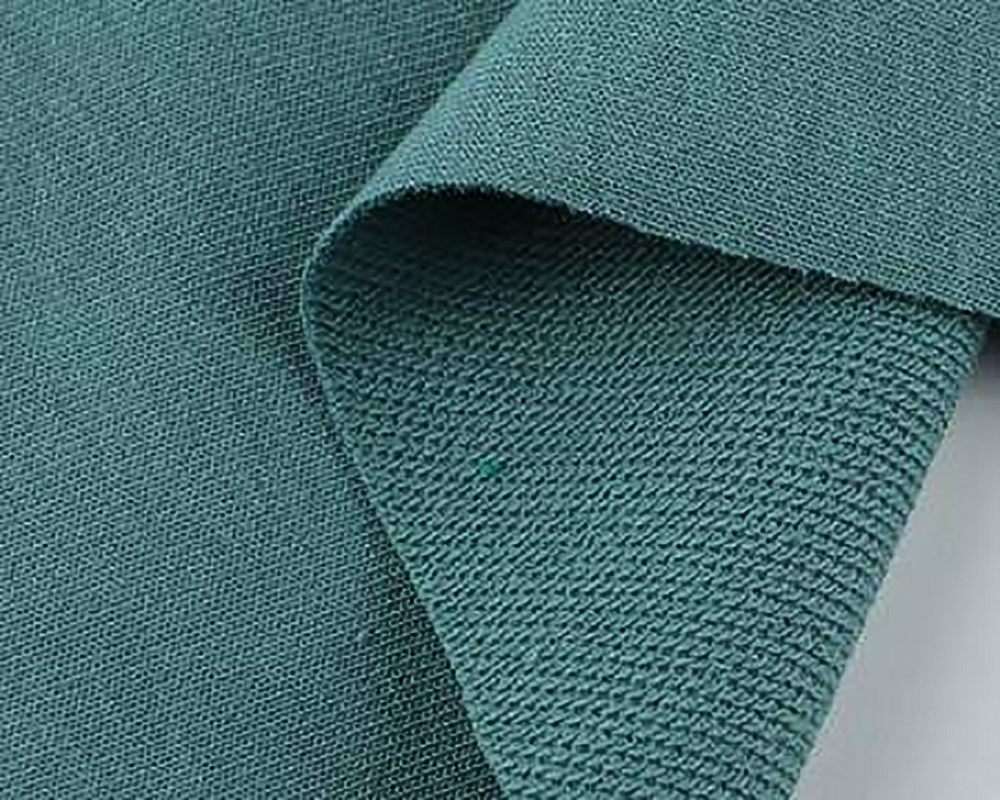
II. Fleece: Winter’s "Cozy Companion"
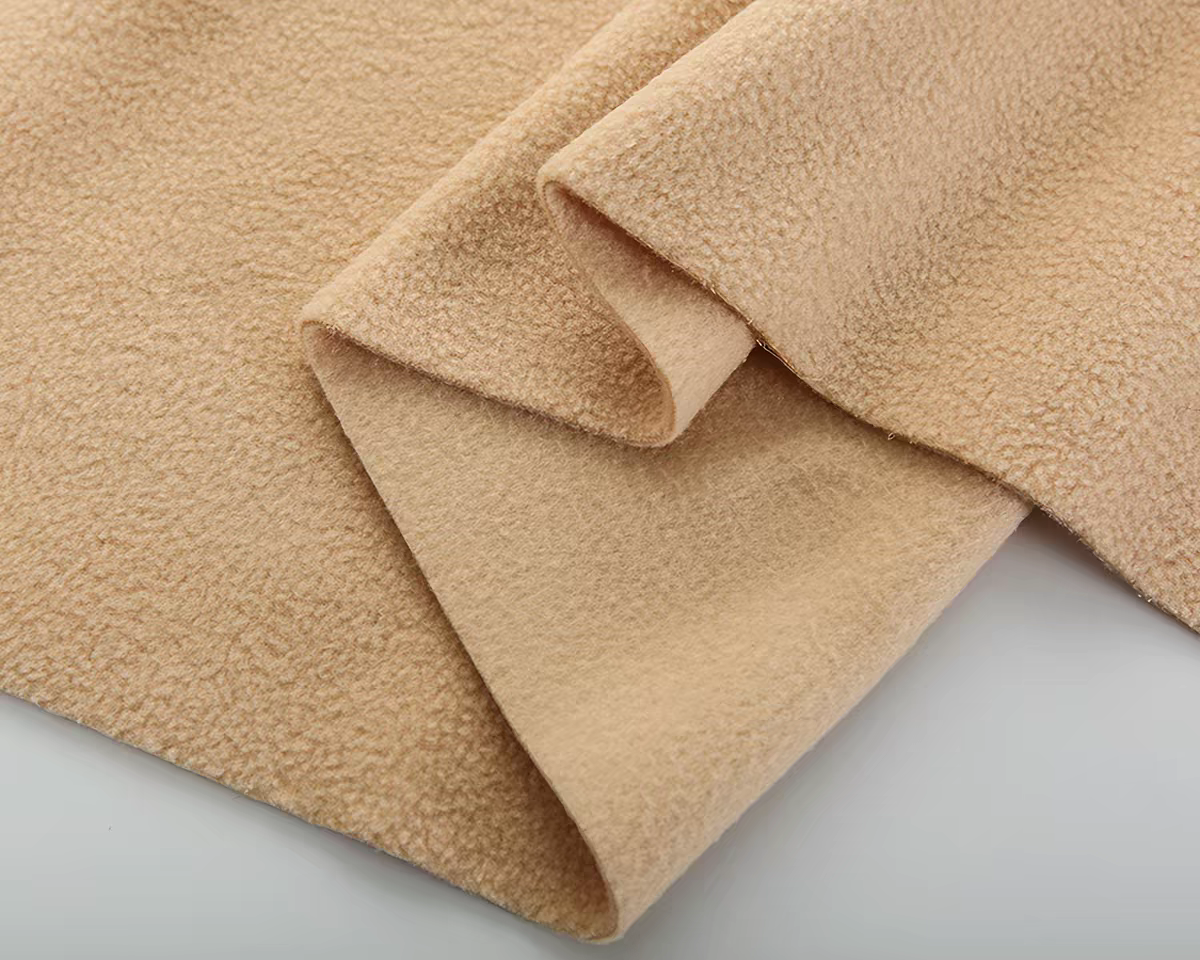
Appearance: Smooth on the front, with a raised, brushed texture on the back (the surface has been treated to create a soft, fuzzy feel).
Characteristics:
- The brushed back traps air within the fibers, providing significantly better warmth.
- It feels softer and has a "fuzzy" or "fleecy" texture to the touch.
- It is generally thicker and heavier, making it unsuitable for summer wear.
Best for: Thick winter sweatshirts, hoodies, and fleece-lined sweatpants. It is a staple material for the winter apparel market, especially in colder regions (such as Northern China).
III. Key Differences Between the Two
Differences in reverse-side texture: The reverse side of French terry features small, unbrushed loops, whereas the reverse side of fleece is brushed to create a soft, fuzzy pile.
Differences in warmth: French terry offers moderate warmth, making it suitable for spring and autumn; fleece provides high warmth, making it ideal for winter.
Differences in thickness and weight: French terry has a medium thickness and a single-layer construction, while fleece is generally thicker and heavier.
Differences in structure/crispness: French terry holds its shape well and has a structured look, while fleece tends to be softer and more pliable.
Differences in usage: French terry is typically used for spring/autumn apparel and oversized styles, while fleece is used for winter wear and garments designed for extra warmth.
IV. Several Easily Overlooked Details
1. Fabric weight matters. For spring/autumn styles, French terry (loop-back fabric) with a weight of 240–320g is ideal. For winter styles, opt for fleece—typically 300g or heavier; the thicker the fabric, the better the insulation. Avoid lightweight fleece, as it lacks the necessary thickness to provide effective warmth.
2. Pay attention to the "reverse side" (the loop structure) of French terry. Variations in the length and density of the loops significantly affect the hand-feel. Short, dense loops are the standard, while longer loops offer a more vintage aesthetic. When requesting samples, ask the factory for close-up photos of the reverse side to ensure it matches your vision.
3. Blended fabrics are common. While 100% cotton French terry is a classic choice, cotton-polyester blends are more durable through repeated washing and less prone to shrinkage. For fleece, cotton-polyester blends are frequently used to enhance the loft and fluffiness of the brushed surface. A higher cotton content doesn't necessarily mean better quality—it depends on the intended use.
4. French terry is better suited for prints. Its smooth, flat surface allows for crisp, clear rendering of prints and embroidery. In contrast, the soft, fuzzy surface of fleece can cause large-scale prints to appear blurred. If you are planning a sweatshirt with intricate or elaborate graphic designs, French terry is the superior choice.